
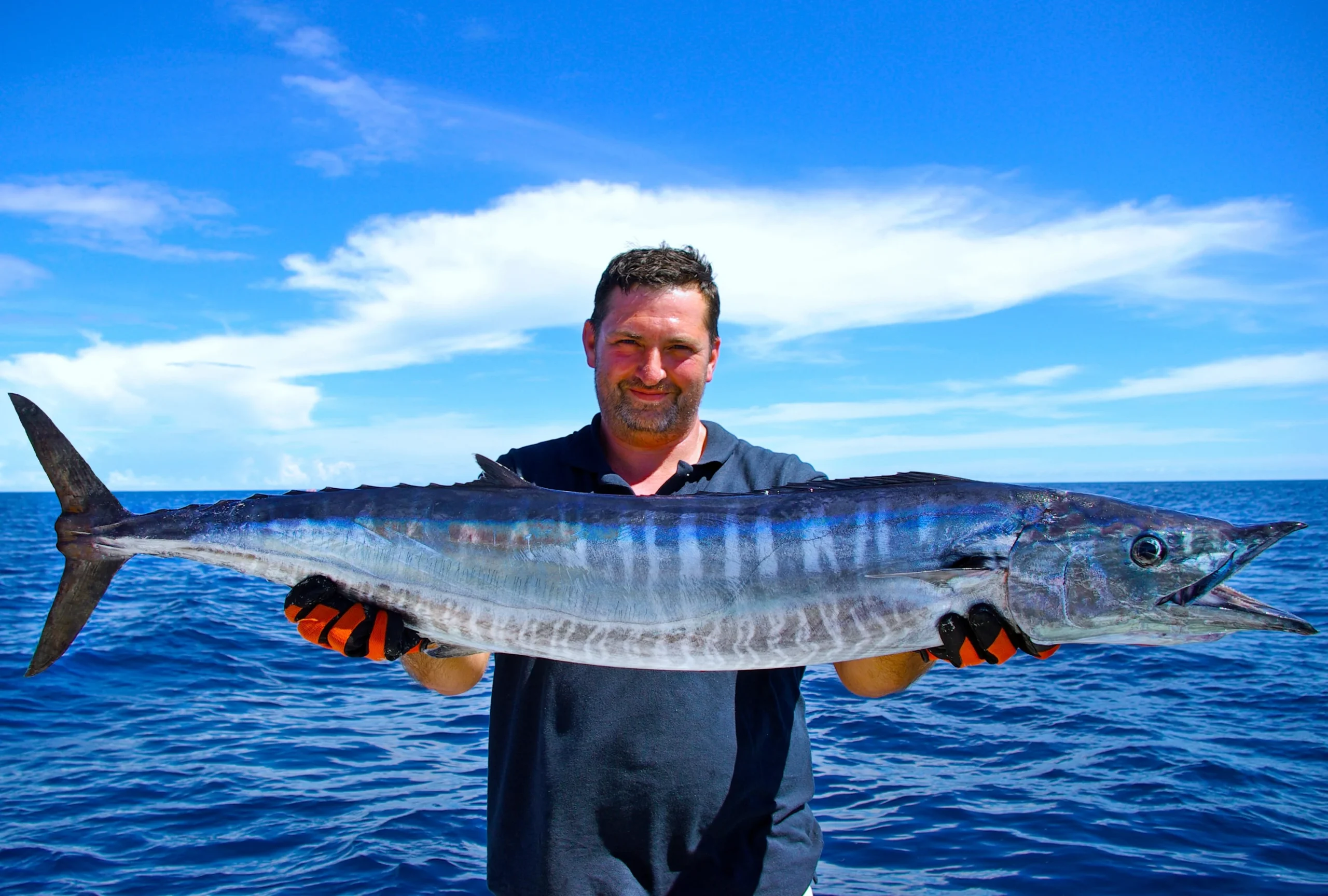
Beginner’s Guide: Your First Panama Fishing Trip

Planning your first fishing trip in Panama? You’re stepping into a world where the ocean teems with life and adventure awaits. The Gulf of Chiriqui, on Panama’s Pacific side, is a top choice for beginners, thanks to its calm waters and diverse fish. This guide will cover everything – preparation, gear, what to expect, and the best times to cast your line, with a focus on Chiriqui and brief nods to other spots. Let’s make your trip a success.
Getting Ready: Plan Smart
Start with timing. The Gulf of Chiriqui’s seasons dictate your experience. The dry season, from December to April, is golden – expect clear skies, gentle seas, and active fish like yellowfin tuna, dorado, sailfish, and marlin. January through March are peak, especially for big game fishing. Panama is wonderful at this time, with waters teeming and conditions ideal. In the rainy season (May to November), fishing doesn’t stop, but storms and choppy waters are more likely. Early mornings or late afternoons then can still nab snapper, grouper, or snook, as fish adjust to weather changes.
Next, secure a guide. Local expertise is crucial for beginners – they know the gulf’s secrets, from current patterns to prime spots. Search online for “fishing charters Panama” in Boca Chica, Pedasi, or nearby areas, focusing on operators with strong reviews and experience with novices. If you are already visiting our site – you can book a tour with us. We give you the best guides, best boats and best spots for sport fishing. Panama is a paradise for anglers and tourists, who love wild beauty.
Book early during peak months to secure your spot. You’ll also need a fishing license – non-residents can arrange this through your guide or Panama’s tourism authority website. Skip this, and you risk fines or worse. Consider local accommodation options like resorts or lodges, which offer extra convenience and access to fishing gear rentals and community insights.
Logistics are straightforward. Fly into Panama City, then a short domestic flight or drive to the gulf. The trip takes a few hours, passing through lush jungles, rugged coasts, and vibrant villages, building excitement for the water ahead.
Gear Up: What to Bring for Sport Fishing, Panama
You don’t need pro-level gear, but the right tools matter. For Chiriqui, a medium-action spinning rod and reel combo is ideal – versatile for most species, from inshore snapper to offshore tuna. Use a 20- to 30-pound test line to handle strong fish and unpredictable currents, ensuring you’re prepared for anything.
Bait choices include live sardines, mullet, or bright lures in red, yellow, or green – fish here love color and movement. Pack essentials: a wide-brimmed hat, polarized sunglasses to cut glare and spot fish, and high-SPF sunscreen. The sun is relentless, so reapply often. Add a lightweight rain jacket for rainy season trips, and a small first aid kit for unexpected cuts or sunburns.
Footwear should grip – deck shoes or sandals with straps prevent slips on wet decks, a common hazard. Bring a small cooler for any catch you keep, and a waterproof camera or phone for photos of your catches and scenery, plus spare batteries. Dress in light, breathable fabrics like cotton or quick-dry materials to stay cool in the tropical heat, consider a buff or neck gaiter for sun protection, and pack a light towel for drying off after handling fish.
What to Expect on the Water – Panama fishing
Imagine boarding a boat as the Gulf of Chiriqui unfolds – blue waters, green islands, and maybe dolphins playing nearby. The air smells of salt and promise. For a newbie, it’s exhilarating and a bit intimidating. Luckily, Chiriqui’s calm makes it beginner-friendly, with fewer waves than other areas. Your guide will steer you to prime spots – reefs, drop-offs, or current edges where fish congregate, based on real-time conditions.
You’ll likely try trolling for fast movers like tuna or dorado, or bottom fishing for grouper and snapper. Your guide will show you how to cast, set the hook, and reel without snags, covering basics like line tension and lure presentation. Fishing takes patience – some days fish strike right away, others need lure changes, spot shifts, or just waiting out the tide. Watch the water’s surface for signs, listen to advice, and enjoy the peace of being on the water.
If fortune smiles, you might hook a sailfish – its acrobatics, with leaps and tail walks, are a thrill you’ll never forget. Expect highs and lows – that’s the nature of fishing, and part of its charm.
When to Go for Panama Fishing: Seasons and Tips
Timing – don’t forget about it (as we said already). Timing is your ally. In Chiriqui, dry season (December to April) delivers – stable weather, smooth seas, and feeding fish. Late January to early March are best for marlin and sailfish, with water temperatures in the low 80s and minimal winds, perfect for novices learning the ropes. Mornings are often best, as fish feed before the heat peaks.
Rainy season fishing is tougher – storms can disrupt plans, and seas get rough, requiring more skill to navigate. But early or late hours can still yield inshore catches like snapper or snook. Consider April or November, when fish feed heavily during seasonal shifts, as currents and temperatures change.
Elsewhere, like Bocas del Toro on the Caribbean, rainy seasons can enhance tarpon or snook fishing as runoff attracts bait, creating feeding frenzies. For your debut, Chiriqui’s predictability and calmer conditions are key to building confidence.
More Places to Explore
Chiriqui is prime, but Panama has options. The Azuero Peninsula, also Pacific-side, offers roosterfish and jack crevalle in abundance, with sandy beaches and strong currents. The Pearl Islands, a boat ride from Panama City, provide seclusion and tuna runs, ideal for a quieter escape. On the Caribbean, Bocas del Toro’s mangroves and rivers lure tarpon and permit anglers, offering a different pace with brackish waters and lush surroundings.
Additionally, areas like the Coiba National Park, near Chiriqui, offer protected waters and unique catches like hammerhead sharks and giant trawl fish, making it a perfect next step for growing anglers. Isla Parida, in the Chiriqui, a great place for fishing and other types of activity. If you need an Isla Parida fishing guide – just contact us. We can offer you luxury fishing lodges with all necessary services.
Each location has its charm, but all share Panama’s allure of adventure, natural beauty, and diverse marine life. If you’re hooked, you’ll find endless reasons to return, from new species to new techniques and uncharted waters.
Last Advice for Beginners
A few tips to seal the deal. Respect the ecosystem – use catch-and-release to protect Panama’s waters for future anglers, especially for larger species. Learn actively – your guide will teach knots, casting techniques, and how to read currents and weather. Soak it up, ask questions, and practice on the boat.
Don’t aim for flawlessness. Panama fishing is about the moment – the salty breeze, the boat’s gentle rock, the rush of a bite. Your first trip might include missed strikes, tangled lines, or quiet hours, but that’s part of the journey. The real win is being out there, rod in hand, in a fishing paradise, connecting with nature and skill. Additionally, take time after each trip to reflect on what worked and what didn’t, building your experience over time.
Plan carefully, pack wisely, and dive in. The Gulf of Chiriqui is calling, and our Panama fishing lodge is ready to offer memories and maybe your first big catch. Tight lines!