
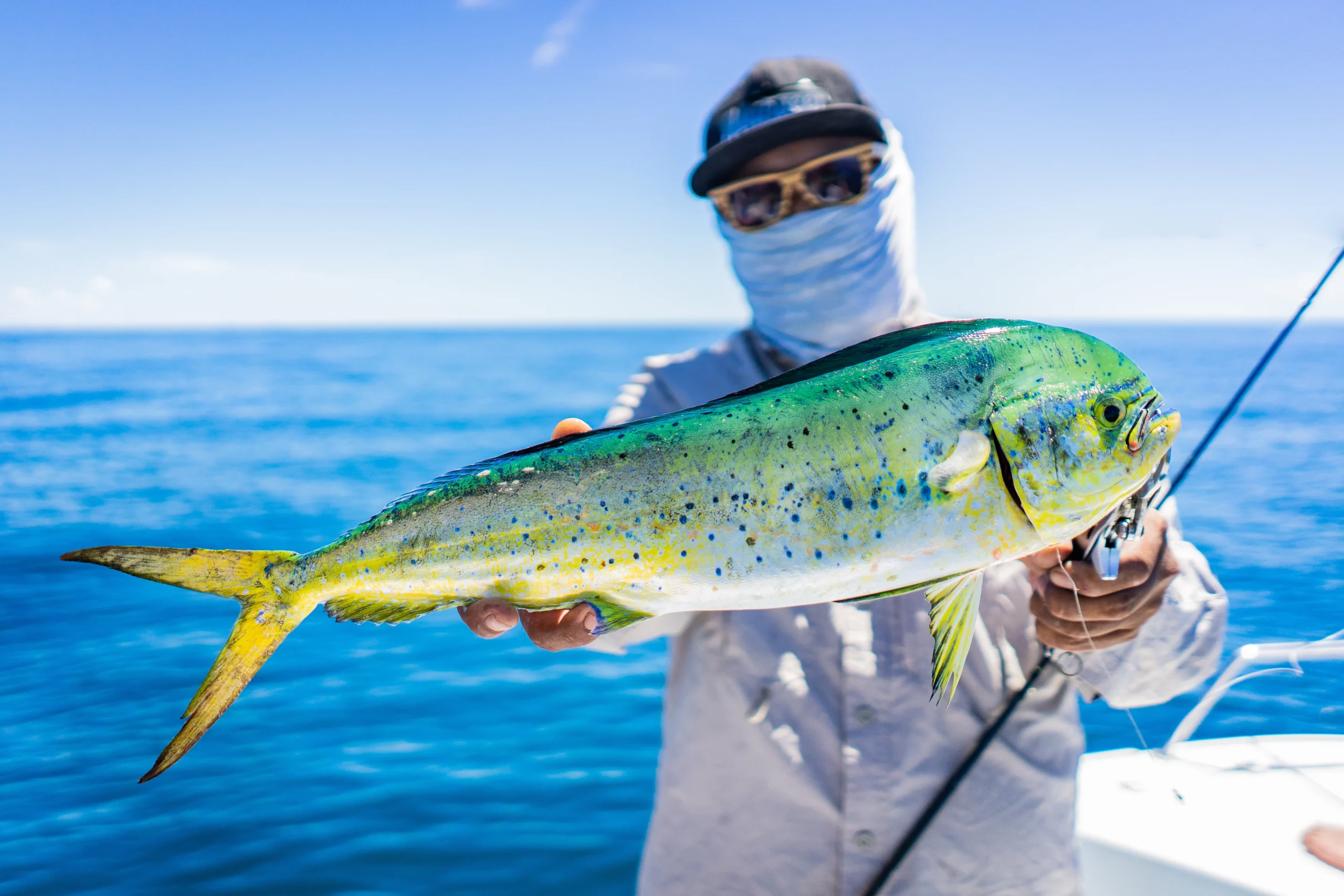
Sustainable Panama Fishing Practices

Panama’s waters are a treasure – teeming with marlin, snapper, and roosterfish, they’re a playground for anglers. But with great fishing comes big responsibility. Overfishing, habitat damage, and bycatch can hurt these vibrant ecosystems. Sustainable fishing keeps the ocean thriving – it’s about catching fish today without robbing tomorrow’s haul. In Panama, fishing lodges and locals are stepping up, blending old-school know-how with eco-smart moves. Here’s how to fish responsibly in Panama – tips, tricks, and why it matters, straight from the heart of the Pacific.
Why Sustainable Fishing Matters
Panama’s coasts, from the Gulf of Chiriqui to the Pearl Islands, are alive with biodiversity – coral reefs, mangroves, and fish that draw anglers worldwide. But heavy fishing can tip the balance – depleted stocks hit local communities hardest, where fishing’s a way of life. Sustainable practices protect fish populations, preserve habitats, and keep Panama’s waters a bucket-list destination. It’s not just science – it’s respect for the sea that gives so much.
Catch and Release – Let ‘Em Swim
Catch-and-release is king for sustainability – especially for sportfish like roosterfish or sailfish, which aren’t great eating. Use circle hooks – size 6 to 8 for inshore, 10/0 for offshore – they hook mouths, not guts, making release smoother. Wet your hands before handling fish – dry fingers strip protective slime. Keep ‘em in the water for photos – a quick snap, then let ‘em go. Local anglers, who have known all about sport fishing, Panama waters and hotspots, and fishing here for decades, say a released roosterfish can grow 20 pounds bigger in a year – that’s a win for everyone.
Choose the Right Gear and Right Panama Fishing Lodge
Gear choice cuts down harm – it’s simple but game-changing. Barbless hooks pop out easy, sparing fish stress. Single hooks over trebles reduce injury – swap ‘em on lures like Yo-Zuri poppers. For line, go biodegradable when possible – mono breaks down faster than braid if it snaps. Avoid heavy weights that snag coral – use just enough to hit your depth. In Panama’s inshore bays, light spinning rods with 10-pound test work for snappers without wrecking reefs. Some Panama fishing resorts gives you all necessary gear, so you don’t need to buy it by yourself.
Target Sustainable Species
Not all fish are equal – some bounce back faster. Focus on species with healthy stocks, like jack crevalle or small snappers, which Panama’s waters have plenty of. Skip overfished ones – ask locals about red snapper or grouper quotas. Apps like FishRules track Panama’s regulations – check bag limits before you cast. Guides in Boca Chica says jacks are a blast to catch and plentiful – you’ll get action without hurting stocks.
Respect Protected Areas
Marine sanctuaries, like Coiba National Park in Panama – fishing restricted here to protect breeding grounds. Stick to designated zones – Coiba’s buffer lets you fish outside its core, still hitting tuna or dorado. Check maps or ask guides – they know the lines. Trespassing can trash coral or scare juvenile fish. Captain Sofia says Coiba’s rules keep it a fish factory – respect ‘em, and you’ll catch plenty nearby.
Minimize Bycatch
Bycatch – catching unintended species – messes with ecosystems. Use selective lures – poppers mimic baitfish, not turtles or rays. For bait, match local prey – shrimp for snapper, not squid that sharks chase. Set lines shallow for inshore targets – deep rigs snag bottom-dwellers. If you hook a turtle or seabird, cut the line close or use a dehooker – every Panama fishing lodge often carry ‘em. Locals swear by circle hooks – they skip most non-targets.
Support Eco-Friendly Lodges
Panama fishing resorts are going green – pick ones that walk the talk. Look for spots using solar power, like some on Isla Parida, or “tropic star lodge Panama” or those banning single-use plastics. Many, like lodges in Boca Chica, fund reef cleanups or teach kids about conservation. Ask if they follow catch-and-release or donate to marine research – it’s a sign they care. Guests say that eco-lodges make you feel good – great fishing, no guilt.
Reduce Your Footprint
Small habits add up – leave Panama’s waters cleaner than you found ‘em. Pack reusable bottles – plastic ones litter beaches. Don’t toss bait scraps overboard – it draws scavengers, messing with food chains. If fishing from shore, stay off coral – trampling kills it fast. Bring a trash bag – even a stray wrapper hurts. Local anglers say every piece you pick up keeps Panama’s shores pristine.
Learn Local Limits
Panama’s got rules to keep fishing fair – size and bag limits vary by species. For example, you might keep five snappers over 12 inches but only one marlin. Check with Panama’s Aquatic Resources Authority (ARAP) or apps like FishVerify – they’re updated yearly. Guides know ‘em by heart – ask before you keep a fish. Breaking rules can mean fines or worse – empty nets down the line. Little tip: when in doubt, release – it’s always safe.
Panama Fishing – Do It With Local Guides
Local knowledge is gold – Panama’s guides, born on these waters, fish smart. They know spawning seasons, avoiding nursery areas where young fish grow. They’ll steer you to hot spots without overfishing – think jacks off Isla Secas, not hammered reefs. Plus, hiring locals supports families, not big corporations. Local anglers say his crew’s been sustainable forever – it’s how they keep fish coming.
Spread the Word
Sustainability’s a team sport – share what you learn. Chat with other anglers about circle hooks or protected zones – it spreads fast. Post your catch-and-release pics online – inspire folks to fish light. In Panama, fishing lodges often host eco-talks – join one and bring your kids. Guide Ana says teaching her son to release fish changed her boat – now every guest does it.
Panama Green Push
Panama’s stepping up – from Coiba’s UNESCO status to community-led cleanups in Bocas del Toro. Fishermen in Pedasí tag marlin for science, tracking stocks. Almost any Panama fishing lodge trains staff on bycatch, and some fund turtle nests – green sea turtles thrive because of it. It’s not perfect, but the vibe’s right – many locals want their seas alive. Fishing here feels clean – you’re part of something bigger.
Protecting the Gulf of Chiriqui’s Ecology and Endangered Species
The Gulf of Chiriqui’s a stunner – emerald waves, coral reefs, and jungles that buzz with life. But this slice of Panama’s Pacific faces threats – plastic pollution, overfishing, and poaching hit hard. Endangered species, like the mighty green sea turtle, need a lifeline. Locals, volunteers, and lodges like TrophyFishingPanama are stepping up – here’s how they’re saving the gulf’s wild heart, with a spotlight on those turtles.
Isla Parida Fishing – Guarding the Gulf’s Ecosystem
Chiriqui’s waters are a hotspot for biodiversity – think darting jacks, gliding rays, and mangroves teeming with baby fish. But trouble looms – trash washes ashore, and illegal nets snatch too many fish. Mangroves get chopped for development, starving nurseries. Volunteers patrol beaches, bagging plastics – last year, one cleanup hauled 500 pounds of junk. Fishermen in Boca Chica swap heavy nets for selective lines, sparing small fish. Panama fishing resorts push solar power – Isla Parida’s got panels popping up. These moves keep reefs alive – every bit counts.
Green Sea Turtles – Gentle Giants
Green sea turtles are Chiriqui’s treasures – these hefty travelers, up to 400 pounds, roam the gulf’s warm waters. Named for their greenish fat, not shells, they munch seagrass, keeping beds healthy. But they’re endangered – poachers raid nests, and nets tangle adults. Each June to August, females haul onto Isla Parida’s beaches, digging nests for 100 eggs. Hatchlings scurry to sea two months later – only one in 1,000 survives. Their journey’s epic, but human threats cut numbers – Chiriqui’s turtles need heroes.
TrophyFishingPanama’s Mission
On Isla Parida, TrophyFishingPanama’s all in – we back local volunteer groups like Chiriqui Turtle Guardians. During nesting season, staff and guests patrol beaches at night – shooing off poachers who’d snatch eggs for cash. They mark nests, shielding ‘em till hatchlings bolt for the waves. Our Panama fishing lodge funds training – locals learn to monitor turtles, not hunt ‘em. Guests join guided turtle watches – it’s a thrill that teaches kids to care. Last summer, we saved 20 nests – that’s hundreds of baby turtles swimming free.
Every angler’s a steward – fish light, stick to catch-and-release for snappers. Ditch plastic bottles – refillables rule. Join a cleanup – even an hour helps. Support lodges like TrophyFishingPanama – these eco vibe spreads. Chiriqui’s worth it – those reefs and turtles deserve a future.
Final CastSustainable Panama fishing is not hard – it’s circle hooks, quick releases, and respect for the rules. You’ll still hook monsters – jacks, snappers, maybe a sailfish – but the ocean stays healthy. Panama’s waters are a gift, and locals show how to keep ‘em giving. Our crew’s all in – we’ll hook you up with guides who fish right. Cast smart – the sea’s counting on you!