
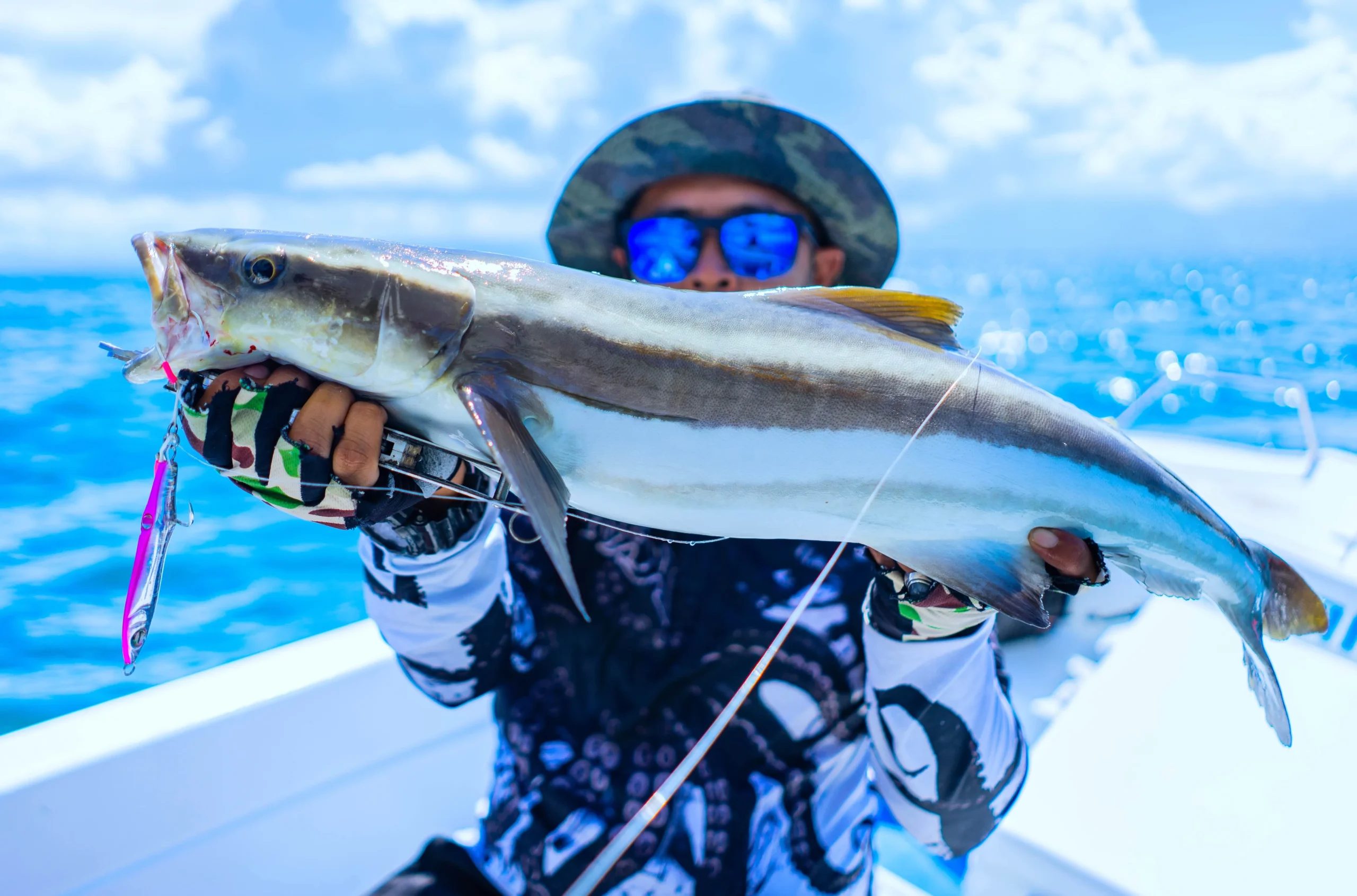
Targeting Trophy Yellowfin Tuna, Panama

Panama’s Pacific coast is a playground for anglers chasing the thrill of a lifetime, and few fish get the blood pumping like a trophy yellowfin tuna. These beasts – powerful, fast, and downright stubborn – roam the warm waters here, making it a hotspot for anyone dreaming of a big catch. Whether you’re a seasoned pro or just itching to test your skills, targeting yellowfin tuna in Panama is an adventure worth diving into. So, how do you hook one of these giants, and when’s the best time to try? Let’s break it down with some insider tips from the experts who’ve battled them firsthand.
Why Yellowfin Tuna Are Worth the Chase
Picture this: a shimmering silver-and-yellow missile tearing through the water, clocking speeds that’d make a sports car jealous. That’s yellowfin tuna. Panama – one of the best countries to land this fish. They often tip the scales at 20 to 50 kilos – but the real trophies can smash past 100 kilos, turning a fishing trip into a full-on tug-of-war. They’re not just big; they’re fighters, known for long, relentless runs that test your gear and grit. Pros love them because every catch feels earned, and that’s what makes Panama’s waters a magnet for tuna hunters.
Timing It Right: When to Hunt
If you want a shot at a monster yellowfin, timing’s everything. The sweet time for Panama fishing runs from May to September – that’s when the waters heat up, baitfish swarm, and these tuna go into feeding overdrive. Summer months bring calmer seas too, giving you a smoother ride to chase them offshore. But don’t sleep on the edges of the season, like late April or early October – pros say the bite can still be hot as the fish move through. Daytime’s your best bet, especially early morning or late afternoon when they’re hunting near the surface. Check the tides too – a moving current often stirs them up.
Where the Big Ones Hide
Panama fishing is very popular also because of tuna, especially around spots like the Gulf of Chiriquí or the Pearl Islands. These areas are loaded with underwater structure – think drop-offs, seamounts, and reefs – that draw baitfish and, in turn, hungry yellowfin. Pros swear by heading 20 to 40 miles offshore, where the deep blue meets schools of these giants. Look for birds diving or fish breaking the surface – that’s your clue they’re feeding. If you’re with a seasoned guide, they’ll know the local honey holes where trophies lurk.
Fishing Vacations, Panama: Gear Up Like a Pro
You don’t mess around with yellowfin – they’ll snap weak gear like a twig. Pros recommend a heavy-duty rod – something with backbone to handle 50-plus kilos – paired with a reel that can hold 300 yards of 50- to 80-pound test line. Live bait’s a killer choice – sardines or small mackerel get their attention fast – but chunky lures in bright colors like green or yellow work too. Rig it tough – wire leaders can save you from their sharp teeth. And don’t skimp on the drag; you’ll need it cranked when they bolt. But, if you book our fishing lodge or boat, we’ll provide you with all necessary equipment.
Techniques That Land the Giants
Trolling is the go-to move for yellowfin in Panama – set your lines at 6 to 8 knots, and let the boat do the scouting. Pros mix it up with live bait drifting near feeding zones – drop it deep, then tease it up to trigger a strike. When you hook one, brace yourself – they’ll dive hard and fast. Keep the rod tip up, let them run when they want, and reel when they tire. Patience is key – a 100-kilo tuna can fight for an hour. One trick from the experts: watch the line angle – if it shifts, they’re circling, so adjust fast to avoid a tangle.
Pro Tips to Seal the Deal
Veteran anglers have a few secrets up their sleeves. First, chum the water with cut bait – it draws yellowfin in like a dinner bell. Second, fish with the wind – it keeps your boat steady and your lines in the strike zone. Third, don’t yank too hard on the hookset – let them take it, then lock in. And if you’re after a real monster, hit the water at dawn – pros say the big ones bite early. Bring a cooler too – you’ll want to keep that prize fresh after the fight.
Why Panama’s the Place to Do It
Panama fishing is not just about the fish – it’s the whole vibe. The warm Pacific, the rugged coast, the chance to snag a trophy – it’s a combo that’s tough to beat. Local guides know these waters like their backyard, and they’ll put you on the fish faster than you can say “yellowfin.” Whether you’re cruising past the Pearl Islands or battling swells in the Gulf, every trip’s a story. So grab your rod, pick your season, and get ready – Panama’s trophy tuna are waiting, and our company’s here to make it happen.
Yellowfin Tuna: Panama Fishing in Chiriquí Gulf
If you’re chasing trophy yellowfin tuna – Panama, the Chiriquí Gulf, is where the magic happens. This slice of Pacific paradise – tucked along Panama’s rugged western coast – isn’t just a pretty backdrop; it’s a thriving hotspot for some of the biggest, baddest tuna around. These silver speedsters call this gulf home for good reason, and understanding their habitat can up your game big time. Let’s dive into what makes Chiriquí a yellowfin haven and how it shapes your shot at landing a monster.
A Gulf Built for Giants
The Chiriquí Gulf is like a giant fish tank – warm, deep, and packed with life. Stretching from Panama’s mainland to a scatter of islands like Coiba and Parida, it’s a perfect mix of shallow coastal waters and steep offshore drop-offs. Yellowfin love it here – the gulf’s currents churn up nutrients, drawing in massive schools. That’s their buffet, and where there’s food, there’s tuna. Pros say the gulf’s unique layout – with underwater ridges and seamounts – creates feeding zones that keep these fish hanging around year-round.
Sport Fishing, Panama – Warm Waters, Big Tuna
Temperature’s a big deal for yellowfin, and Chiriquí delivers. The gulf stays toasty – think 26 to 30 degrees Celsius – especially from May to September, when the tuna really pile in. That warmth revs up their metabolism, making them hungrier and more active. It’s not just the surface either – the deep waters, plunging past 1000 meters in spots, give these fish plenty of room to roam and grow. Big ones – 50 kilos and up – thrive in this combo of heat and depth, turning Chiriquí into a trophy hunter’s dream.
The Baitfish Bonanza
Yellowfin don’t stick around without a good reason, and in Chiriquí, it’s all about the bait. The gulf’s upwelling – where deep, nutrient-rich water rises – fuels a food chain that’s a magnet for tuna. Small fry like mackerel and flying fish swarm the surface, especially near islands or floating debris. Pros watch for these signs – birds diving or water churning because yellowfin are never far behind. The abundance keeps them fat and feisty, ready to slam anything that looks like lunch.
Seasons and Spots to Know
While yellowfin are here all year, summer’s the prime time in Chiriquí – May to September – when baitfish peak and the seas calm down. That’s when you’ll find the gulf buzzing with tuna schools, some pushing 100 kilos or more. Early mornings are gold – they hunt hard at dawn – but late afternoons can fire up too. Hotspots? Head offshore from Boca Chica or aim for the edges near Coiba, – the drop-offs there are tuna central. Pros also love the waters around Hannibal Bank – it’s a submarine ridge that’s like a tuna highway. One more location – Isla Parida. Fishing around this island can give you amazing experience, and not only with tuna. Especially if you book a professional Isla Parida fishing guide, like us.
Why They Thrive Here
It’s not just food and water temp – Chiriquí’s got the whole package. The gulf’s sheltered bays and open ocean blend creates a sweet spot – shallow enough for bait, deep enough for giants. Predators like sharks and marlin roam too, but yellowfin hold their own, zipping through the depths with that insane speed. The islands dotting the gulf – Parida, Montuosa – act like magnets, pulling in fish with their reefs and currents. It’s a natural setup that keeps yellowfin coming back, generation after generation.
Tips for Tapping the Gulf’s Bounty
Want to cash in on Chiriquí’s tuna riches? Pros have some pointers. Troll fast – 7 to 9 knots – with big, flashy lures to mimic the baitfish frenzy. Live bait’s a killer too – drop a sardine near a feeding school and hang on. Watch the sonar – yellowfin often stack up at 50 to 100 meters when they’re not surfacing. And don’t ignore the weather – a light chop can stir things up, bringing them closer to the boat. Pack stamina – these fish fight dirty, and a gulf trophy might drag you into an hour-long showdown.
Fishing Charters, Panama: A Tuna Paradise
The Chiriquí Gulf isn’t just a fishing spot – it’s a wild, living system that pumps out yellowfin like nowhere else. The scenery is a bonus – emerald islands, turquoise water, and maybe a big green turtle tagging along. Whether you’re casting from a skiff or a charter boat, this gulf delivers the kind of action that sticks with you. Our team knows these waters inside out – we’ll get you to the fish, rigged and ready. So why wait? Chiriquí’s yellowfin are calling – grab your chance at a trophy today!